

Mary Lewis and the Quiet Work of Saying Goodbye
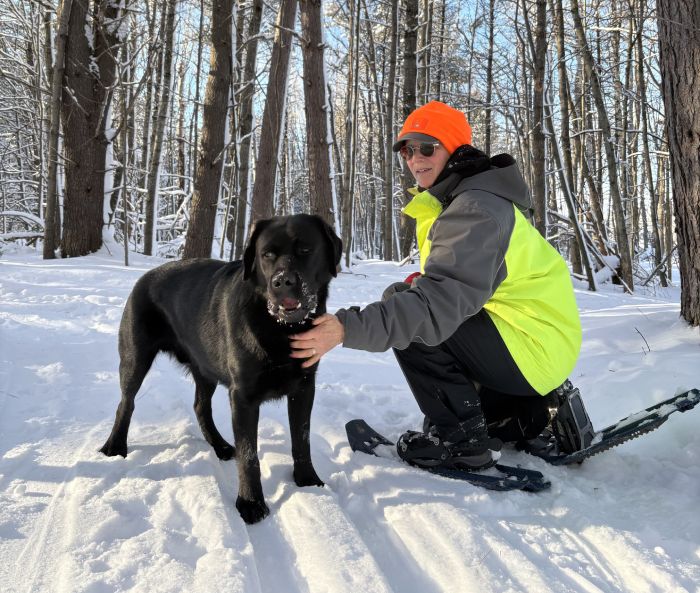
When families invite Mary Lewis into their homes, it is usually one of the hardest days they will face as pet parents. The veterinarian has come to help them say goodbye to an animal they love. Her job is not only medical but also deeply human.
Lewis grew up surrounded by animals. Raised in rural northern Wisconsin, she and her siblings helped care for them, learning the routines that come with animals who depend on human attention. It was a childhood that naturally fostered a sense of responsibility for the creatures around her.
While other children played with dolls, Lewis spent her time tending to stuffed animals, wrapping them in bandages and pretending to treat their injuries. Her impulse to care for animals was already firmly in place.
That eventually led her to the University of Wisconsin–Madison, where she completed both her undergraduate studies and veterinary training. Wisconsin had only recently opened its veterinary school, and Lewis graduated as part of its second class.
Like many veterinarians early in their careers, she initially imagined a wide-ranging practice. But over time she settled into small animal medicine, focusing on dogs and cats in a clinical practice in the Chicago suburbs. When she and her husband began raising a family, she moved to part-time work, balancing veterinary medicine with the demands of parenting.
For many years, her work followed the familiar rhythm of a veterinary clinic. The path toward home euthanasia came later. Quietly.
In the early 2000s, Lewis helped a friend whose dog was nearing the end of its life. The family didn’t have the resources for extensive veterinary care, and Lewis stepped in to help manage the dog’s final days and ultimately perform euthanasia at home.
Around the same time, she was navigating the reality of serious illness within her own family. When her father-in-law was diagnosed with terminal cancer, he made a simple request: he wanted to die at home.
That moment reinforced something Lewis had begun to understand through her work with animals—that where and how a life ends matters deeply to both the individual and the people who love them. Gradually, Lewis began offering in-home euthanasia as part of her practice.
What she noticed was the difference in atmosphere. Even pets that seem comfortable in a veterinary clinic often carry stress simply from being there. Cats especially dislike leaving home, and even the most cheerful dogs can sense that something unfamiliar is happening.
At home, people can sit together, tell stories, pray if they wish, and say goodbye in an environment that feels safe—changing the emotional landscape of the moment.
“About three quarters of the dogs I see meet me at the door,” Lewis says. “They’re in the place they love, surrounded by the people they trust.”
Much of her work involves guiding families through the difficult decision of when the time has come. Many people wait longer than they might intend, not out of neglect but out of love. They fear making the decision too soon.
Lewis spends time talking with families beforehand, helping them think about quality of life and the dignity they want for their pets. When the moment comes, what she hopes families remember is simple. That their pet was calm. That there was no anxiety or pain. That the final moments were quiet and loving.
“It’s the best last gift they can give their pet,” she says.
After decades in veterinary medicine, Lewis still marvels at the bond between people and their animals. In the end, the sorrow people feel is inseparable from the love that came before it. Or, as one client once told her while she was leaving their home, “It’s just the cost of love.”